
Policy
EU drops ethylene oxide certificate for Indian chilli and pepper in 2026
The EU has eased ethylene oxide rules on several Indian spices since the 2024 recalls, but cumin, coriander and turmeric still need certificates.
Published · Data as of · 4 min read
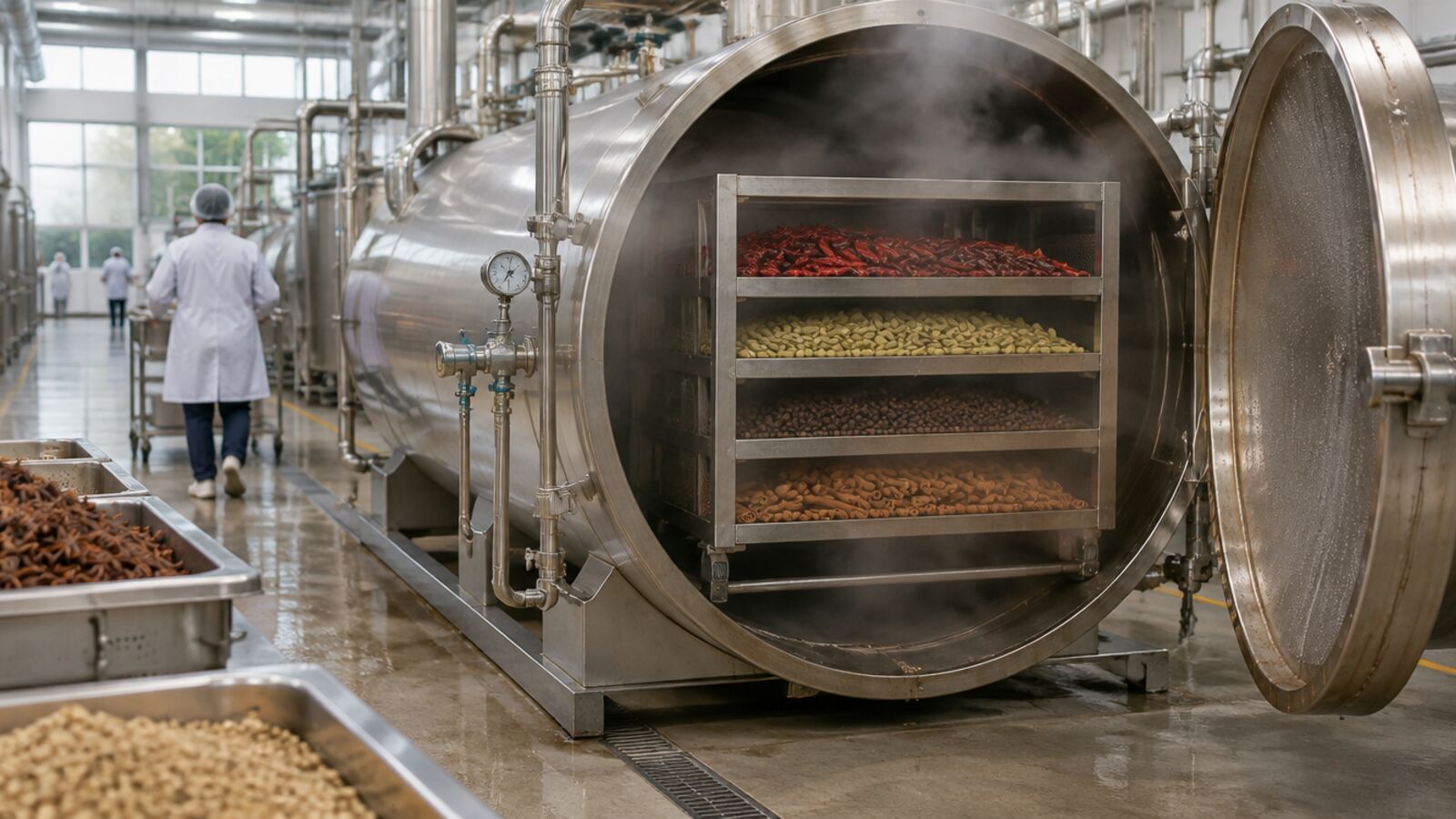
The European Union stopped requiring an official ethylene oxide certificate for Indian pepper and chilli in 2026, under Commission Implementing Regulation (EU) 2026/194 of 28 January, after member state controls showed improved compliance [1]. The products move to the EU's lighter list, where 20% of consignments are still checked at the border [1].
The change matters because chilli is India's largest spice export, worth US$1,176.98 million in 2025-26. Every certified consignment needed Spices Board India testing and paperwork before shipment [2][7]. It is the clearest sign yet that the controls imposed after the ethylene oxide alerts of 2021 and the 2024 recalls are being unwound product by product.
Which controls the EU has eased
Regulation 2026/194, published on 29 January 2026 and in force 20 days later, made several changes for India [1]. Pepper of the genus Piper and dried or ground Capsicum and Pimenta, under special conditions for ethylene oxide since January 2022, were moved from Annex II, which requires a certificate, to Annex I with 20% checks [1]. Increased ethylene oxide controls on Indian vanilla and cloves were removed altogether, as were ethylene oxide checks on okra [1].
The June 2026 review continued the trend. Regulation 2026/1206 moved Indian cinnamon and cinnamon-tree flowers, under special conditions since January 2022, from Annex II to Annex I at 20% from 30 June 2026 [3]. It also dropped increased aflatoxin controls on Indian Capsicum peppers [3]. These decisions had been agreed at the EU's standing committee on 15 December 2025, the Embassy of India in Brussels reported [4].
| Indian product (EU) | Before | After |
|---|---|---|
| Pepper and chilli (0904) | Certificate, ethylene oxide | 20% checks, no certificate (2026/194) |
| Vanilla and cloves | Increased ethylene oxide checks | Removed (2026/194) |
| Cinnamon (0906) | Certificate, ethylene oxide | 20% checks, no certificate (2026/1206) |
| Cumin, coriander, fennel seeds | Certificate, ethylene oxide | Unchanged, 20% checks |
| Nutmeg, mace, cardamoms | Certificate, ethylene oxide | Unchanged, 30% checks |
Sources: Regulations (EU) 2026/194 and 2026/1206 [1][3].
The seed spices still carry certificates
For the products this event covers, nothing has changed. Under Annex II of Regulation 2019/1793 as amended in June 2026, Indian coriander, cumin, anise and fennel seeds, ginger, turmeric, curry and fenugreek seed must carry an ethylene oxide certificate, with 20% of consignments checked; nutmeg, mace and cardamoms are checked at 30% [3]. The regulation split the old combined spice entries by product and customs code so that future decisions can target individual spices [3].
Jeera (cumin) exporters face a heavier load because pesticide residue checks on Indian cumin rose to 50% under the same regulation [3]. The UK has applied similar ethylene oxide testing to Indian seed spices, turmeric, ginger and curry powder since 1 January 2026, with 20% checks at its border posts [5].
How India's testing system works
Spices Board India runs mandatory pre-shipment sampling and testing for ethylene oxide on spices bound for markets that require it. After Hong Kong and Singapore stopped sales of some MDH and Everest products in April 2024, the Board made ethylene oxide testing mandatory for all consignments to those two markets from 6 May 2024, India Sea Trade News reported; testing for the EU and UK had been mandatory since rejections in 2021 [6].
The Board's guidelines on preventing ethylene oxide contamination, revised on 28 October 2024, tell exporters not to use the gas to sterilise or fumigate spices and to test raw materials, processing aids, packaging and finished goods [7]. They encourage steam sterilisation instead and note that the European Spice Association advises against irradiation for spices sold in the EU [7].
What comes next
The EU reviews its high-risk lists at least every six months [3]. Pepper and chilli show that a sustained run of compliant shipments can move a product from certificate to routine checks and then off the list. Seed spices and turmeric would be the next candidates if Indian exporters keep ethylene oxide findings out of EU border notifications.
The pressure on cumin runs the other way, because pesticide residue failures have pushed its EU check rate up. For exporters preparing 2027 contracts, the practical message is that steam-sterilised, fully tested lots remain the condition of access.
Questions and answers
Do Indian spices still need an ethylene oxide certificate for the EU?
Some do. Since 2026 Indian pepper, chilli and cinnamon no longer need one, but cumin, coriander, fennel, ginger, turmeric, curry and fenugreek seed still require an official ethylene oxide certificate, with 20% of consignments checked.
Why did the EU ease controls on Indian chilli and pepper?
Regulation (EU) 2026/194 says member state controls showed improved compliance and that the products did not pose a serious risk to health. The EU still checks 20% of consignments at the border.
How do Indian exporters avoid ethylene oxide contamination?
Spices Board India guidelines tell exporters not to use ethylene oxide for sterilisation or fumigation and to test raw materials, packaging and finished goods. The Board encourages steam sterilisation as the alternative.
Sources
- European Commission (copy published in the Icelandic Official Gazette). Commission Implementing Regulation (EU) 2026/194 of 28 January 2026 amending Implementing Regulation (EU) 2019/1793, 2026-01-28.
- Spices Board India. Circular No. 02/2025-26: requirement of cleared analytical report and official certificate for spices destined to Switzerland (lists products needing ethylene oxide certificates), 2025-06-05.
- European Commission (copy hosted by the Icelandic Food and Veterinary Authority). Commission Implementing Regulation (EU) 2026/1206 of 9 June 2026 amending Implementing Regulation (EU) 2019/1793, 2026-06-09.
- Embassy of India, Brussels. Pesticide Monitoring Newsletter, November-December 2025, 2025-12.
- Spices Board India. Trade Advisory 1/2025-26: official certificate for export of spices to the United Kingdom w.e.f. 1 January 2026, 2025-11-25.
- India Sea Trade News. India has made ETO testing mandatory for export of all spices to Singapore and Hong Kong, 2024-05-04.
- Spices Board India. Comprehensive guidelines on prevention of ethylene oxide (EtO) contamination in spices exports, SB/EXP/SOP/02 Rev.02, 2024-10-28.
Analysis by the India Spices Market editorial desk. For information only, not trading or investment advice.
Related
More from Intelligence.

Policy
EU raises border checks on Indian cumin to 50% after pesticide failures
26 November 2026 · 4 min read
Policy
UK requires official certificates for Indian seed spices from January 2026
26 November 2026 · 4 min read
Policy
Turkish cumin faces 50% EU alkaloid checks while Indian seed stays off list
26 November 2026 · 4 min read
Read the market here. Meet it in Gandhinagar.
Every topic on this page is on the programme on 24 April 2027, with the people who move these prices in the room.
Registration opens 1 December 2026